
European Parliament approves Switzerland-EU 'Bilateral III' deal
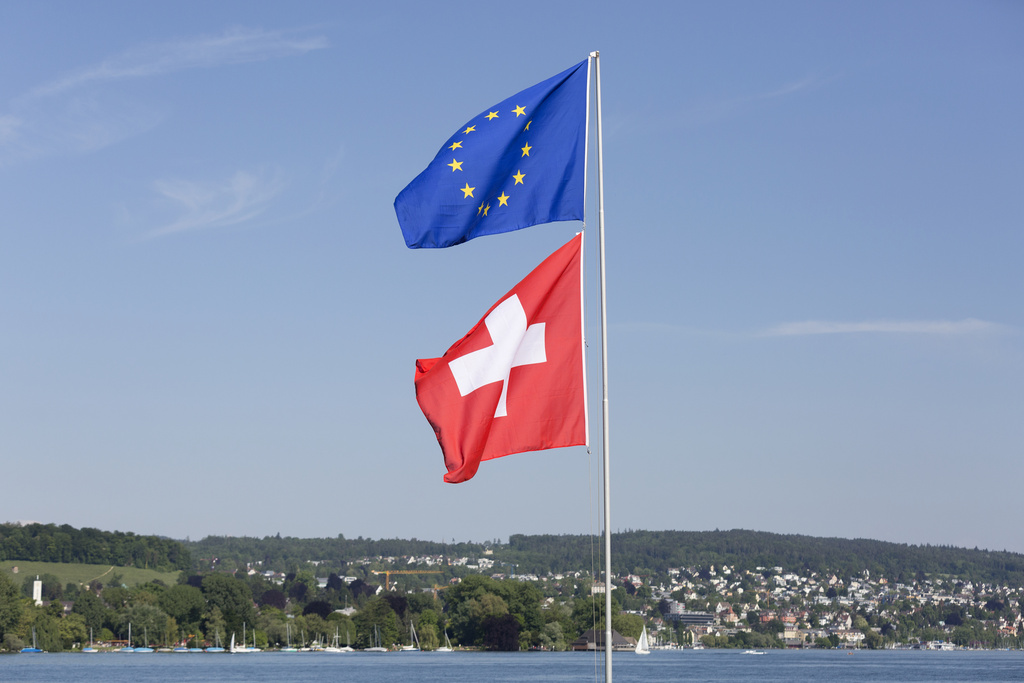
The European Parliament has overwhelmingly approved, on 25 November, the new package of agreements between Switzerland and the European Union, known as 'Bilateral III', marking a crucial step in stabilising economic and trade relations between the two parties.
The vote, with 584 'yes', 13 'no' and 60 abstentions, marked a critical moment in the approval process of the package, which French MEP Christophe Grudler described as an 'opportunity for practical relief' for citizens, particularly cross-border workers.
Grudler emphasised that the European Parliament's approval 'now places the ball in Switzerland’s court', where the political process will continue with votes in the national parliament and, ultimately, a public referendum.
What does the 'Bilateral III' package include?
The package includes around 30 new agreements and updates to existing ones, covering:
- Updates to free movement of persons and their integration into labour markets.
- Regulations on air and land transport, ensuring more efficient connections between the two sides.
- Trade in agricultural products and recognition of EU technical standards in Switzerland.
- New agreements on electricity, public health, and food security.
- Switzerland’s participation in EU programmes such as Erasmus+ and Horizon Europe.
- A permanent Swiss financial contribution to the EU’s economic and social cohesion.
The political process in Switzerland: votes and referendums
The agreement will not automatically enter into force after EU approval. In Switzerland, the package will be debated in the two parliamentary chambers (National Council and Council of States) during the winter session (30 November–18 December 2026). If approved, it will also be subject to a public referendum in 2028.
Thus, the European Parliament’s approval is a first step, but the final decision will be made in Switzerland, where the tradition of public referendums holds binding power.
Economic significance: Switzerland and the EU in the global market
The European Union is Switzerland’s largest trading partner, while the Swiss Confederation is the EU’s fourth-largest. The 'Bilateral III' package aims to stabilise and develop economic relations, preserving the cooperation model that has characterised both sides for over 25 years.
The Swiss Federal Council highlights that the agreements will ensure trade security, reduce administrative burdens, and facilitate market integration.
In brief
The European Parliament’s approval is a strategic step, but the political process in Switzerland will ultimately determine the package’s implementation. 'Bilateral III' will impact trade, energy, and mobility between the two sides, representing a significant advancement for the economies of both countries.
Notable figures
- Christophe Grudler - French MEP and member of the European Parliament
Source: albinfo.ch
Note: This material has been adapted for informational purposes by Kosova.Today Portal.





 Advertisement
