
Kosovo energy crisis: Emergency measures, criticism and reliance on imports
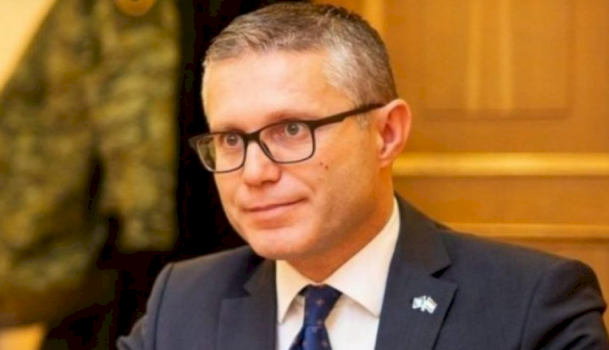
Kosovo energy crisis: Emergency measures, criticism and reliance on imports
The session of Kosovo’s Assembly, held during electricity outages, concluded with the approval of emergency measures to ensure power supply. The decision, which will be implemented for 60 days, includes mandating the company "Ibër-Lepenci" to produce energy from the Ujman hydroelectric plant and establishing an Emergency Technical Committee to address the situation.
The deputy of the Democratic Alliance, Burim Ramadani, criticized the energy policy of the Kurti government, stating that Kosovo has become dependent on electricity imports. He described this as one of the biggest failures of the government over the past five years.
In an interview with Ekonomia Online, Ramadani emphasized that electricity production in Kosovo has significantly decreased, leading to a high dependence on purchasing power from Balkan energy traders. He declared:
“Kosovo is producing less electricity than before. This is a major mistake by the Kurti government, which has halted production projects and left the country in a state of total dependence on imports.”
The deputy stressed that emergency measures must be implemented with professionalism and care to avoid additional hardship for citizens. He noted that supply must be guaranteed without interruptions or increased bills:
“The government must make extraordinary efforts to ensure power supply. There should be no reductions and no increase in citizens’ bills.”
The decision was approved with 61 votes in favor during the November 19 session, which lasted until the early hours of the following morning. In addition to emergency measures, the Assembly also adopted the Energy Regulator Bill and the Energy Efficiency Bill, with unanimous votes.
Criticism of the government intensified further from opposition parties. The deputy of the Democratic Party of Kosovo, Eman Rrahmani, called for the resignation of the Economy Minister, Artane Rizvanolli, blaming her for the energy crisis. The deputy of the Democratic League of Kosovo, Janina Ymeri, opposed the government’s approach to the energy sector and claimed that the legal changes were made solely to meet European requirements.
Ymeri particularly criticized the Energy Regulator Bill, stating that energy traders have influence over the regulator and that the legal changes were made only to fulfill European Union package requirements.
Emergency measures and government accountability
Emergency measures include:
- Mandating the company "Ibër-Lepenci" to produce energy from the Ujman hydroelectric plant for consumers benefiting from universal service rights.
- Establishing an Emergency Technical Committee to address the situation in the energy sector.
If this situation is not handled promptly, citizens will face new economic hardships and regular interruptions in electricity supply.
In brief
The energy crisis in Kosovo has led to the approval of emergency measures by the Assembly, with the government primarily responsible for ensuring regular supply without increasing bills. Criticism of the energy policy is intense, with opposition parties demanding resignations and legal changes.
Mentioned individuals
- Burim Ramadani - Burim Ramadani
- Artane Rizvanolli - Artane Rizvanolli
- Eman Rrahmani - Eman Rrahmani
- Janina Ymeri - Janina Ymeri
Source of the news: orainfo.net
Note: This material has been processed for informational purposes by the Kosova.Today Portal.


 Advertisement
