
Russia’s Grip on the Balkans: Kosovo and Albania at Risk?
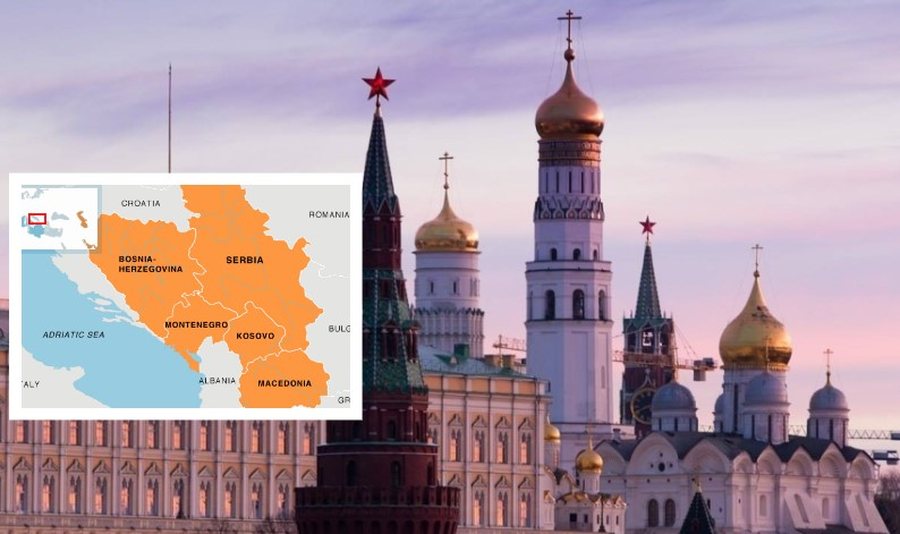
Russia’s Grip on the Balkans: Kosovo and Albania at Risk?
Russia maintains considerable influence in the Balkans, using energy, ethnic tensions, and territorial disputes to block European integration and keep the region aligned with the West.
In a recent analysis, experts assess that Russian influence has not diminished, despite most countries in the region being NATO members or aspiring to Euro-Atlantic integration. Serbia, Bosnia and Herzegovina, Montenegro, and Bulgaria are the most exposed, while Albania and Kosovo, though relatively secure, are not immune to the risks of hybrid interference and disinformation.
Serbia and Bosnia and Herzegovina: Key Arenas of Russian Influence
Serbia remains the most exposed to Russian influence. Economic dependence on Russian natural gas—covering 76% of Serbia’s needs in 2024—and diplomatic support for Serbia’s stance on Kosovo give Moscow a stronghold.
In Bosnia and Herzegovina, Russia influences politics primarily through leaders in the Republika Srpska, where Moscow backs positions opposing the strengthening of central institutions and the authority of the High Representative. This situation threatens institutional stability and Bosnia’s path to European integration.
Montenegro, North Macedonia, and Bulgaria: Risks of Polarization and Disinformation
Montenegro and North Macedonia, both NATO members, are not immune to foreign political and informational interference. In Montenegro, political polarization and identity disputes create openings for external influence, while in North Macedonia, disinformation and historical disputes remain key challenges.
Bulgaria, a member of both the EU and NATO, holds strategic importance for Russia. Political developments in 2026 and the stance of some Bulgarian leaders in favor of dialogue with Moscow could create new opportunities for Russian influence within European institutions.
Albania: Limited Influence, but Risks of Hybrid Interference
Albania has a relatively secure profile, as its NATO membership and EU orientation significantly limit Russian influence. However, the most pressing risks for Albania involve cyberattacks, disinformation, and interference in public discourse.
A European Union study ranks Albania among the countries that must strengthen resilience against hybrid threats, identifying informational operations and cyberinterference as potential tools of Russian influence.
Kosovo: Most Vulnerable to Kremlin Political Fallout
Kosovo is the most at-risk country in the Balkans due to its unresolved international status and strained relations with Serbia. As a permanent member of the UN Security Council, Russia can block resolutions supporting Kosovo’s UN membership.
Moscow uses Kosovo as a diplomatic tool to counter Western positions and maintain tensions in the region. Risks for Kosovo include political instability, the spread of narratives undermining state institutions, and the obstruction of normalization with Serbia.
Disinformation and Energy: Russia’s Main Tools of Influence
Russia employs disinformation campaigns, cyberattacks, and support for political actors to shape regional developments. The European Parliament has identified these methods as key tools of Russian influence in the Balkans.
Energy dependence remains a critical factor. In 2024, Russia supplied nearly all the gas consumed by Bosnia and Herzegovina and North Macedonia, limiting economic and political decision-making autonomy.
The Future of the Balkans: Three Possible Scenarios
The future of Russian influence in the Balkans depends on a mix of domestic and international factors. Three scenarios could emerge:
- Strengthening European integration: If the EU accelerates enlargement and Balkan countries meet the required reforms, Russian influence could be contained.
- Maintaining the status quo: The region will retain divergent diplomatic orientations, while Russia continues to exploit economic and political ties.
- Deterioration of regional stability: A crisis in Bosnia and Herzegovina, escalation of tensions in Kosovo, or a decline in international engagement could open the door to greater influence by external actors.
In Brief
Russian influence in the Balkans has not waned, even as most countries in the region are NATO members or seek Euro-Atlantic integration. Serbia and Bosnia and Herzegovina remain the primary arenas for Russian political influence, while Albania and Kosovo face heightened risks from hybrid threats and the political fallout of Kremlin policies. The stability of the Balkans will depend on the ability of these nations to build functional institutions and foster cooperation-based relationships.
Notable Figures
- Dimitar Bechev - Dimitar Bechev
Source: infoshqip.com
Note: This content has been adapted for informational purposes by Kosova.Today.





 Advertisement
