
Switzerland weighs social media restrictions for minors amid government divide
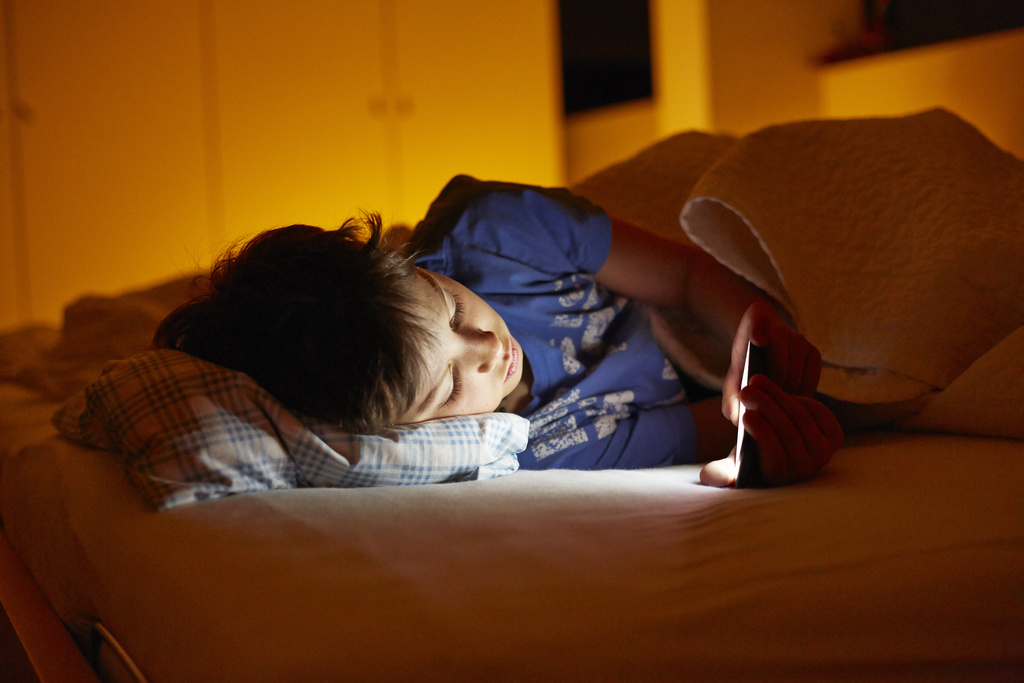
Switzerland weighs social media restrictions for minors amid government divide
Swiss authorities are considering new restrictions on social media use by children and adolescents, though ministers within the Federal Council remain divided over how to implement them.
The debate over digital safety for minors has intensified in Switzerland, where federal authorities are examining stricter rules for platforms like TikTok, Instagram, and other social networks.
According to transparency documents, Swiss government officials hold differing views. Interior Minister Elisabeth Baume-Schneider supports restricting access to social media, including setting a minimum age for users.
In contrast, Federal Minister of Communications Albert Rösti has expressed reservations about blanket bans, arguing that age restrictions can be easily bypassed and may create a false sense of security.
Instead of outright exclusion, Rösti advocates greater accountability for tech companies, urging them to implement necessary safeguards for minors.
Night-time restrictions and age-based limits
Discussions also include restricting social media use during nighttime hours, a measure aimed at protecting children and adolescents from excessive smartphone use.
Baume-Schneider has mentioned the possibility of different restrictions based on age groups, tailoring regulations to the developmental needs of children. Swiss authorities are also following European Union discussions, where various models for online child protection are being considered.
At the EU level, one proposed model includes:
- Stricter limits for children under 13.
- Parental-controlled access for ages 13–14.
- Possibility of opening personal accounts from age 15.
However, these remain proposals in discussion and are not yet adopted laws in Switzerland.
Balancing protection and freedom of information
The core debate revolves around finding a balance between protecting minors and their right to information and digital participation.
Opponents of blanket bans argue that age verification could introduce new privacy risks, particularly if users are required to present identification documents. Supporters of restrictions, meanwhile, believe additional measures could reduce risks of cyberbullying and negative mental health impacts.
The Federal Department of Justice and Police has commissioned a study on the psychological impact of social media on children and adolescents, with results expected early in 2027.
Decisions expected in 2027
The Federal Council has decided to strengthen child protection under a draft law on communication platforms and search engines. Proposed measures include:
- Assessing risks posed by platforms to minors and implementing mitigating measures.
- Banning personalized ads for underage users.
The full draft law is expected to be presented to Parliament by late June 2027. In the meantime, no immediate changes to current regulations are anticipated.
The debate is expected to continue in the coming months, with the Swiss government seeking a solution that ensures minors' safety online without disproportionately restricting their rights and freedoms.
In brief
Switzerland is examining new social media restrictions for minors, though ministers disagree on implementation. Baume-Schneider backs minimum age limits and night-time bans, while Rösti prefers greater accountability for tech firms. Concrete decisions are expected in 2027.
Key figures mentioned
Source: albinfo.ch
Note: This material has been adapted for informational purposes by Portali Kosova.Today.




 Advertisement
