31-year-old dies after following ChatGPT medical advice
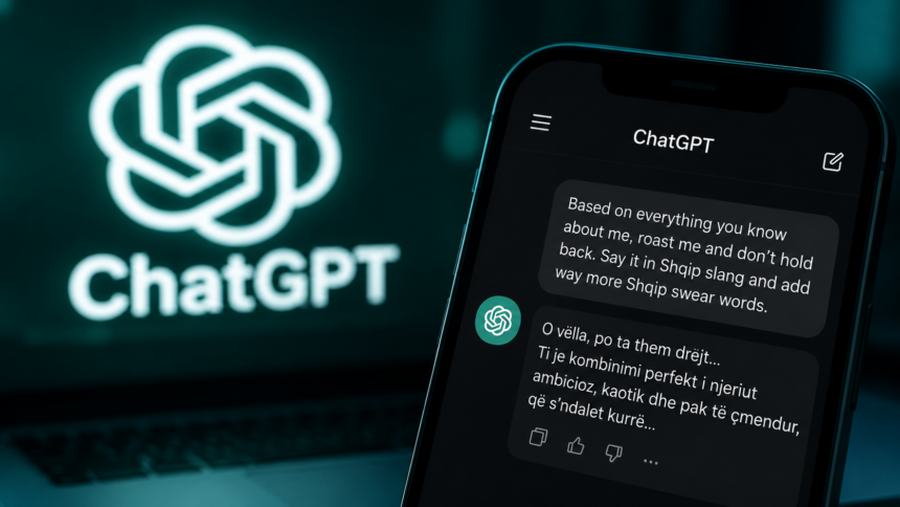
The death of a 31-year-old in the United States has reignited debate over the risks of using artificial intelligence for medical guidance. Bowen Wan was found dead in her Seattle home earlier this year, as family members claim she had followed ChatGPT’s instructions to gradually stop her epilepsy medication without consulting a doctor.
Her parents have filed a lawsuit against OpenAI, alleging that the artificial intelligence system’s advice influenced their daughter’s decision. However, the company’s liability and the direct causal link between the guidance and her death remain claims to be examined in court proceedings.
The case has prompted reactions from experts, who warn that artificial intelligence responses—even when seemingly credible—cannot replace a doctor’s assessment.
A study by the University of Oxford, published in the scientific journal Nature Medicine, found that AI models accurately identified medical conditions in 94.9% of cases when tested directly. But when 1,298 citizens used these tools to evaluate health scenarios, accuracy dropped below 34.5%.
According to researchers, the issue lies in users often not knowing what information to provide and not always being able to distinguish correct responses from incorrect ones.
Greek neurologist Stergios Gatzonis emphasizes that artificial intelligence can offer information but cannot perform examinations or consider a patient’s full clinical history. He warns that self-diagnosis can cause unnecessary anxiety or, conversely, create a false sense of security, delaying proper medical treatment.
Experts are calling for stricter safety controls for AI systems, particularly when users seek guidance on adjusting dosages or discontinuing medications.
The post 31-year-old dies after following ChatGPT medical advice appeared first on InfoShqip.com.
Source: infoshqip.com
Note: This content has been processed for informational purposes by Portali Kosova.Today.