
Even When Off, These Kitchen Appliances Still Drain Power
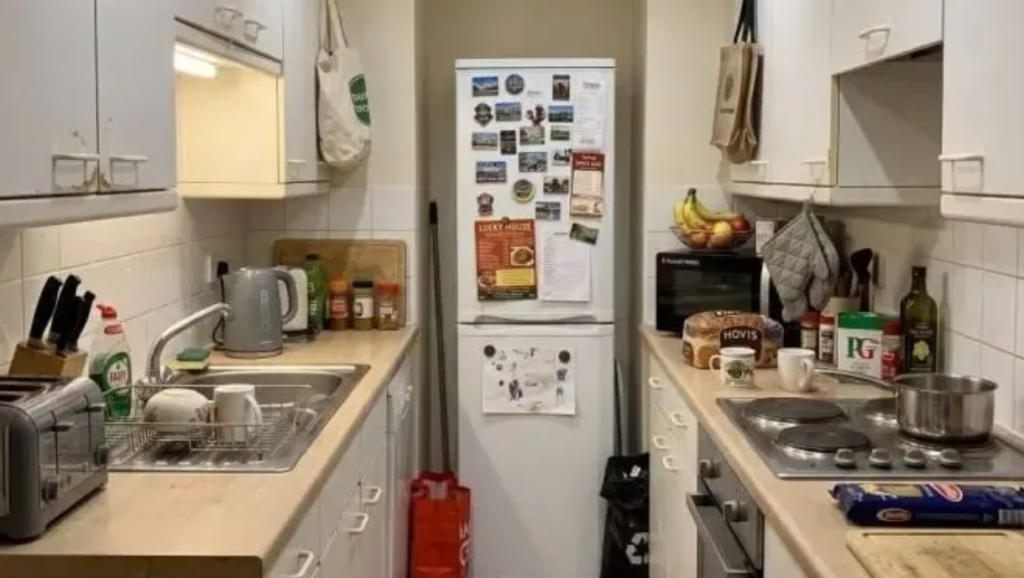
It’s not just the microwave—dozens of devices left plugged in can gradually increase your annual electricity consumption.
The microwave is one appliance that likely doesn’t immediately spring to mind when considering your electricity bill. Yet, even when not heating food, it isn’t necessarily completely inactive.
The reason lies in its electronic circuits and digital display, which continue to function as long as the device remains connected to the power grid. This is known as standby consumption, often referred to as “phantom” or “vampire” power.
A microwave can consume energy all day long
Energy expert Corey Gilgan, owner of Oregon Generators, explains that the issue isn’t so much about a single device but the cumulative effect of small consumption from multiple appliances over time.
A microwave in standby mode can consume around four watts. At first glance, this seems negligible. However, households typically have televisions, chargers, coffee machines, set-top boxes, and other devices constantly plugged in, reports Telegrafi.
When combined, the consumption adds up.
Older models may use more power
The amount of energy a microwave consumes in standby mode also depends on its age and electronic components.
Older models, particularly those from the 1990s and early 2000s, can consume between six and ten watts in standby. Newer models are generally more efficient, typically ranging from three to four watts.
More complex appliances, such as built-in microwaves with fans or combination convection models, may have higher consumption due to their greater number of electronic components.
Microwaves and kitchen appliances that can consume energy in standby mode
The problem isn’t just microwaves
“Phantom” consumption affects many household devices.
A family can have dozens of devices in standby at any given time. Each one uses a small amount of energy, but collectively—and over a year—they can result in a noticeable expense.
In other words, even devices you’re not actively using can continue drawing power unnoticed.
A power strip can help
One of the simplest solutions is using power strips with built-in switches. Multiple devices can be plugged into one, and with a single press, their power supply can be cut off.
This can be done, for example, before bedtime or when leaving the house.
Smart plugs can also be programmed to automatically cut power during set periods, such as overnight.
Safety precautions
When using power strips, it’s crucial to respect their maximum load rating. High-power devices should not be plugged into the same strip without consideration, as overloading can pose a safety risk.
So, while a microwave alone may not significantly raise your bill, when combined with other devices that continuously draw power in the background, this hidden consumption can become a real expense over the year.
Source: orainfo.net
Note: This material has been adapted for informational purposes by Kosova.Today.