Limaj: Hague trial fails to distinguish between prosecutor and judge

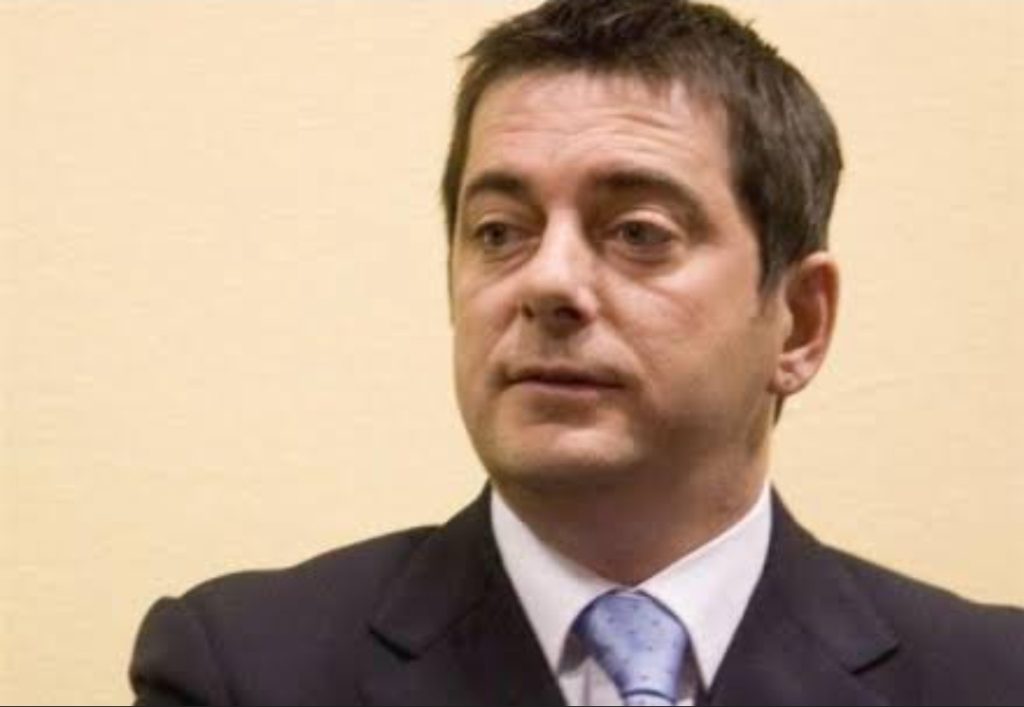
Fatmir Limaj, leader of the Social Democratic Initiative, has criticised the work of the judicial body overseeing the Hague trial of former UÇK leaders.
During a discussion panel on ‘Kosovo after September 16’, Limaj voiced his concerns over the conduct of the trial, questioning the impartiality and integrity of the judicial body.
He stated that in a judicial process, the judge must remain neutral and ensure fairness between the parties, while the burden of proof lies with the prosecution.
‘For the accused, nothing is more important than having a judicial body in front of which they can be assured the law is being applied, that it is competent, that it has integrity. What I have seen in this case is that the judicial body in the justice system has been biased, with the burden of proof belonging to the prosecution, the judge remaining silent, the judicial body being neutral, balancing, listening to facts and evidence from both sides—defence on one side and prosecution on the other. The judge never takes an active role in favour of either party. Instead, the judicial body should be more focused on protecting the rights of the accused than aiding the prosecution in the courtroom,’ Limaj declared.
Limaj claimed that during the Hague trial, the judicial body was overly active in questioning witnesses, comparing this to the role of the prosecution. ‘What have we seen here? In this judicial process, anyone who has followed it has witnessed a judicial body that, for me, was shocking—it was an extended hand, active during the trial in taking notes, questioning, and even during the prosecution’s proceedings. There were 74 hours of questioning by the judges, who actively participated in the trial, asking questions that were essentially those of the prosecutor. Where the prosecutor left off, the judge took over, doubling the prosecutor’s questions,’ Limaj stated.
He also cited his own experience in the Hague trial, stating that over two years of his trial, the judicial body had asked only seven questions, which, in his view, favoured the defence.
‘To illustrate this further, in my own case in Hague, over two years of trial, the court asked only seven questions, all of which favoured the defence. The court’s interventions in the courtroom were seven questions in favour of the defence, thus preserving the integrity of the judicial process. It did not allow the prosecution to step outside the rules and standards,’ he added.
According to Limaj, in the trial of former UÇK leaders, it is difficult to distinguish the role of the prosecutor from that of the judge, which, in his view, undermines the principle of equal arms.
‘In this case, you have the problem of not knowing who is the prosecutor and who is the judge, which also indicates a lack of integrity on the part of this judge. This now further damages the so-called equality of arms. Equality of arms means that both parties have equal opportunity and right to present their own evidence, defence, or accusations before the judicial body. For equality of arms to be guaranteed, it is that judicial body that ensures equal rights, and that judicial body does not take sides in the judicial process in favour of any party. What was missing in this judicial process was the standard of evidence. You have learned the legal practice here, evidence is very important. It is the foundation, the heart of the entire judicial process that you follow next,’ Limaj said among other things.
Source of the news: orainfo.net
Note: This material has been processed for informational purposes by the Kosova.Today portal.