
MedAL: Will Kosovo secure safe medicines for patients?

MedAL: What guarantees does it offer for safe and high-quality medicines in Kosovo?
The draft law for establishing the state-owned company MedAL, published for public consultation at the end of July, has reignited debates over the supply of medicines and medical equipment in Kosovo’s public system. While the document was officially released only at the end of the month, unofficial versions have been circulating since June, sparking discussions without a clear legal foundation.
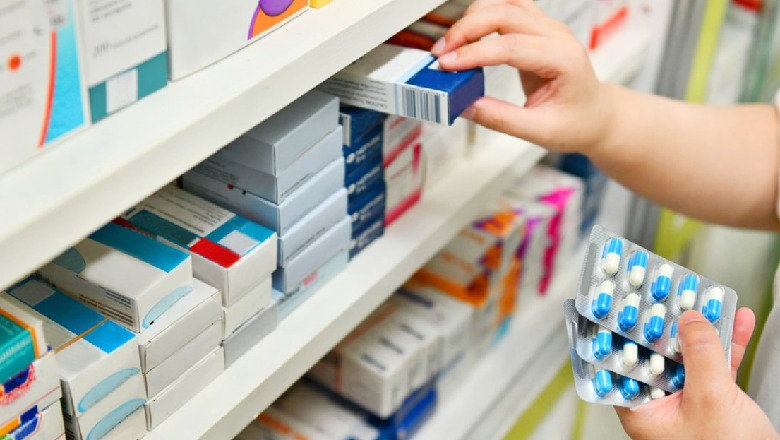
Generally, MedAL will be a 100% state-owned company focused on planning, procurement, importing, storing, transporting, and distributing medicines and medical equipment. The goal is to shift from a fragmented system to a centralized and integrated model, which is expected to reduce costs, minimize shortages, and improve access to treatment.
Guarantees for safe and high-quality medicines
The draft law assigns MedAL the responsibility to plan needs, manage the supply chain, and create stockpiles of critical products. However, it does not define clear standards for minimum stock levels or response times in case of shortages—a major concern, as a lack of medication could disrupt treatment or worsen patients’ health conditions.
Article 8 of the draft law states that annual planning will be based on healthcare institutions’ demands and clinical protocols. Yet, it remains unclear how the list of products will be determined and how unplanned requests during the year will be handled. If this is not addressed, planning may fail to reflect patients’ actual needs.
Cost of medicines and patient access
The draft law grants MedAL the authority to develop a unified catalogue of medical products in collaboration with profit-making institutions and in line with the Ministry of Health’s policies. However, it does not specify clinical criteria for including medicines in the catalogue. This could limit therapeutic choices for patients with chronic or rare diseases, where the selected medication must be based on effectiveness and safety—not just cost.
Importing medicines and safety guarantees
One of Kosovo’s key challenges is the lack of innovative and specialized medicines in the market. MedAL could import drugs not currently available, but the draft law does not outline clear criteria for authorizing and ensuring the safety of these products. Article 9 allows the import of medicines not authorized in Kosovo, yet it does not specify which regulatory authorities or standards will be accepted.
This raises serious questions about the safety and quality of imported medicines. If criteria are unclear, patients may face unapproved or substandard drugs.
Transparency and oversight
Article 6 of the draft law protects confidential information, limiting transparency regarding the origin of products and criteria for selecting suppliers. This could restrict oversight of drug safety and patient protection.
To ensure MedAL provides safe and high-quality medicines, clear criteria must be established for authorization, control, and transparency. Patients should not face a choice between medication shortages and unsafe quality.
In brief
The MedAL draft law aims to improve the supply of medical drugs in Kosovo through a centralized model. However, guarantees for drug safety and quality remain unclear, particularly regarding the import of medicines not currently on the market. Patients must be assured they will receive necessary medications on time, with guaranteed quality and safety.
Key figures mentioned
Source: shendeti.com.al
Note: This material has been prepared for informational purposes by Kosova.Today.



 Advertisement
