
8 foods that reduce the risk of stroke, according to experts
8 foods that reduce the risk of stroke
Stroke is one of the serious conditions that can cause severe consequences. While age and genetic factors are beyond our control, diet and lifestyle play a major role in preventing it. According to data from the U.S. National Institutes of Health, around 795,000 people suffer from this condition each year.
Experts emphasize that the Mediterranean and DASH diets are the best models for reducing risk. These diets include consuming fruits, vegetables, whole grains, legumes, fish, and healthy fats. But which specific foods can help the most?
---1. Leafy greens
Vegetables like spinach, arugula, and kale are rich in nitrates, which the body converts into nitric oxide. This compound helps relax blood vessels, improves circulation, and lowers blood pressure. Studies show that consuming 60 mg of nitrates daily can reduce the risk of stroke by 17%.
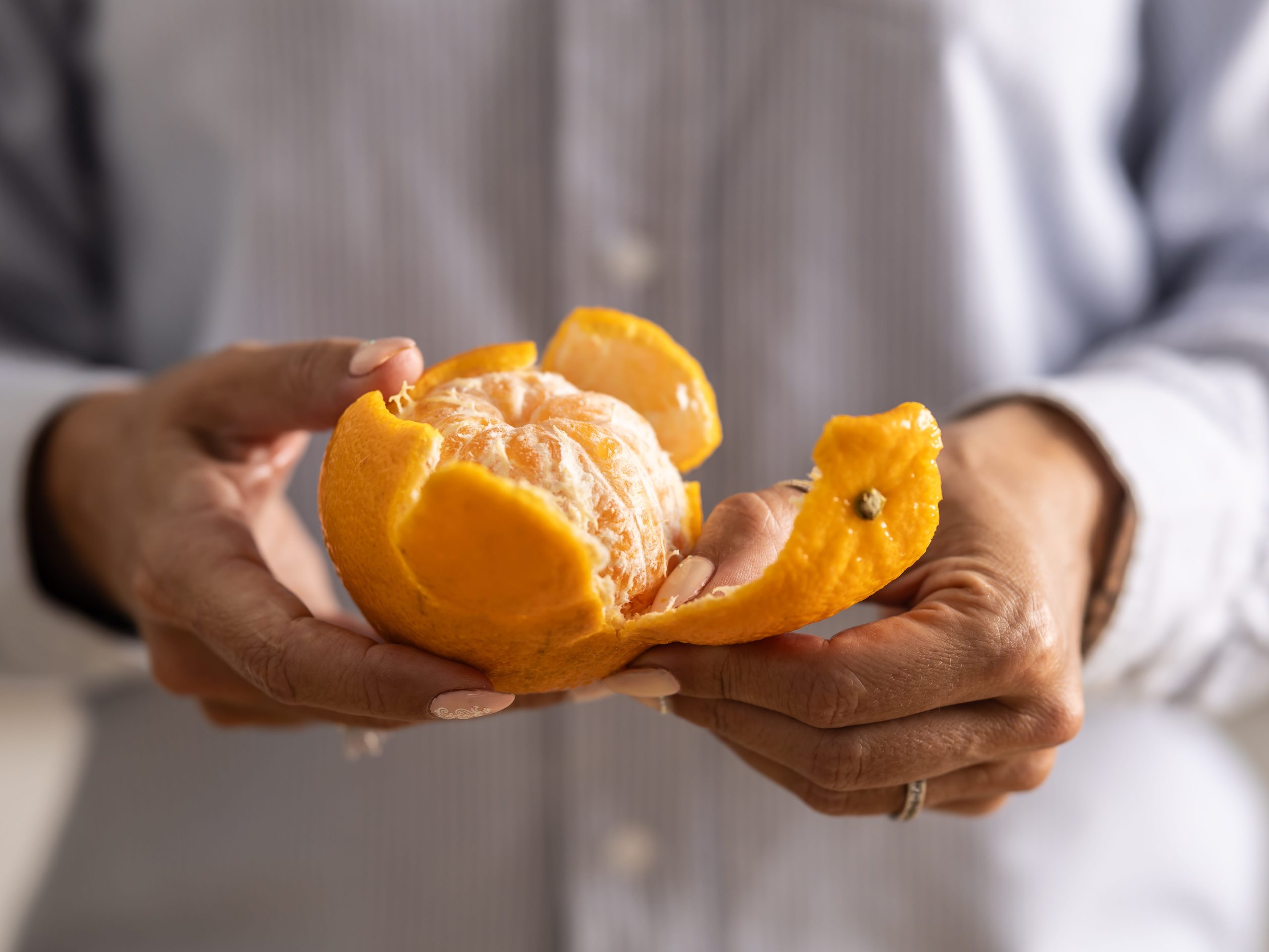
2. Oranges and grapefruit
Citrus fruits, particularly oranges and grapefruit, are sources of vitamin C, folate, and potassium, which have antioxidant and anti-inflammatory properties. Their soluble fiber helps lower cholesterol. However, people taking specific medications should be cautious with grapefruit, as it can interact with them.
3. Walnuts
Walnuts are a source of omega-3 fatty acids, which reduce inflammation and support heart health. Studies indicate that eating half a cup of walnuts daily for two years can lower LDL cholesterol ("bad cholesterol").
4. Yogurt
Yogurt contains calcium, potassium, and probiotics, which contribute to blood pressure control and improve lipid profiles. Consuming fermented dairy products like yogurt is linked to a lower risk of stroke. It is recommended to choose plain yogurt with little or no added sugar.
5. Whole grains
Whole grains are rich in fiber, magnesium, B vitamins, and antioxidants, which help maintain blood sugar levels and support vascular health. These foods also reduce inflammation in the body.
6. Fatty fish
Fish like salmon, sardines, and mackerel are sources of omega-3s (EPA and DHA), which reduce inflammation and improve blood lipid profiles. Consuming fatty fish is associated with a lower risk of stroke.
7. Soluble-fiber foods
Soluble fiber, found in apples, pears, beans, lentils, carrots, broccoli, and sweet potatoes, helps lower LDL cholesterol and control blood sugar. These foods support vascular health.
8. Plant-based proteins
Beans, lentils, and peas are sources of plant-based protein and soluble fiber. Studies show that consuming them reduces the risk of cardiovascular disease by 19% and coronary heart disease by 27%.
---In addition to these, coffee, oats, avocado, green tea, legumes, and dark chocolate are other foods worth including in your diet, as they contain antioxidants, potassium, and fiber. However, experts emphasize that no single food can prevent stroke on its own. Overall dietary patterns, physical activity, blood pressure and cholesterol control, and avoiding smoking are key.
People with risk factors for stroke are advised to consult a doctor to assess their condition and take necessary measures to reduce their risk.
---In brief
A healthy diet based on the DASH and Mediterranean diets reduces the risk of stroke through foods rich in fiber, omega-3s, potassium, and antioxidants. Leafy greens, oranges, walnuts, yogurt, whole grains, fatty fish, fiber-rich foods, and plant-based proteins are essential. However, success in prevention depends on overall lifestyle, including physical activity and avoiding risk factors.
---Mentioned individuals
News source: shendeti.com.al
Note: This material has been processed for informational purposes by Portali Kosova.Today.





 Advertisement
