
Serbian List in Kosovo Assembly: A Strategic Shift After Vučić’s Setback?
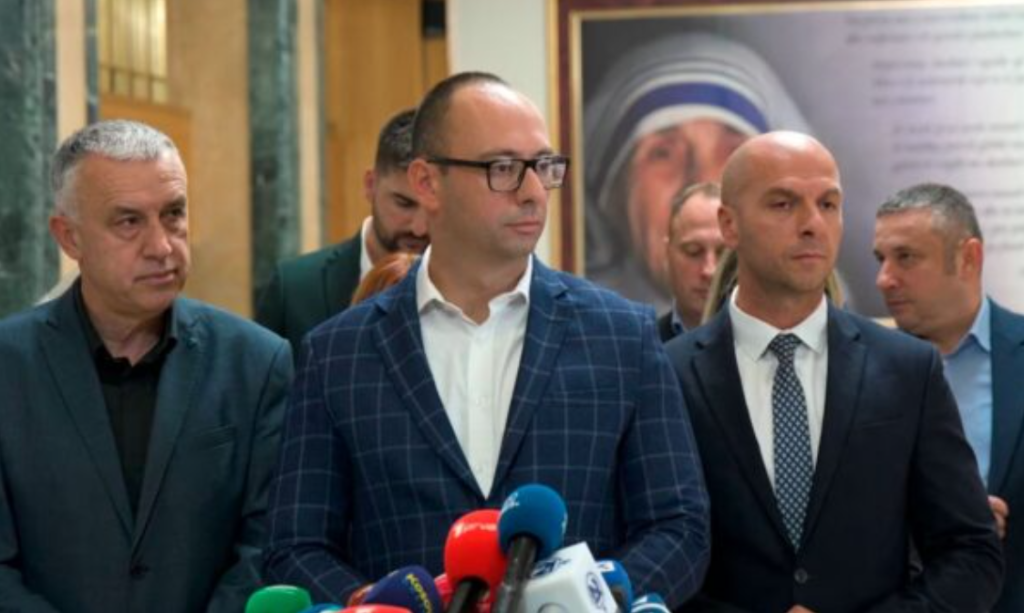
The Serbian List in Kosovo’s Assembly is adopting a strategic shift following the loss of the Serbian Progressive Party (SNS) in Serbia and the withdrawal of support from former President Aleksandar Vučić. Deputies from this list, who have so far been scarcely present in sessions, are now becoming more active in debates, gaining a more prominent role in parliamentary discussions.
This change comes at a critical moment, as the Student List has won elections in Serbia and is implementing a new policy towards Kosovo. The Serbian List hopes to leverage this opportunity to consolidate its position as an independent and strong actor in Kosovo, without always bearing responsibility to Belgrade.
“The Serbian List will change, it is already changing. We see it changing and offering itself as a communication channel between Belgrade and Pristina,” says Rada Trajković, a former Kosovo Assembly deputy.
Political analysts, such as Belgzim Kamberi from the Musine Kokalari Institute for Social Policy, note that the Serbian List faces a major challenge: redefining its strategy after the loss of Vučić’s support. “In circumstances where Belgrade’s backing is no longer guaranteed, the Serbian List may view institutional representation in Kosovo as its primary source for preserving political power,” Kamberi tells Radio Free Europe.
Deputies from the Serbian List have been active in recent Assembly debates, warning about the damaging consequences of the bill on the Central Inspectorate for the Protection of Serbian Orthodox Heritage. This is not the only issue they have raised: the Kosovo government’s lack of investment in areas where the Serbian community lives remains a key concern the Serbian List is addressing.
Kamberi emphasizes that the Serbian List’s engagement in the Assembly can be interpreted as an effort to “consolidate its position and avoid double isolation, both in Pristina and Belgrade.” The Serbian List holds nine of the ten reserved parliamentary seats for the Serbian community and leads ten municipalities with a Serbian majority.
Mayor of Northern Mitrovica, Millan Radojević, states that the Serbian List is “a state-forming party and an essential factor in the political life of Serbs in Kosovo.” He notes that Pristina is seen as an obstacle, but hopes that the new authorities in Serbia will continue to support the Serbian community, both financially and politically.
Rada Trajković highlights that the Serbian List currently has the opportunity to utilize constitutional guarantees for protecting the Serbian community and, through the Constitutional Court, prevent harmful decisions. However, she stresses that the Serbian List must clearly distance itself from Millan Radoičić, whom she claims has caused significant damage to the Serbian community in Kosovo.
Radoičić, who led the armed assault on Banjska in 2023, has lost the support of the previous power in Belgrade. Following the SNS election loss, he has been absent, and Serbian authorities have issued a public statement against him.
The Kosovo government, led by the Self-Determination Movement, refuses to cooperate with the Serbian List, arguing that it acts as an extension of Belgrade to Kosovo’s detriment. Relations deteriorated after the Banjska attack, when Albanian parties also refused communication with Serbian List representatives.
The Serbian List has won over 90% of the Serbian community’s votes in all elections but has been criticized for the pressure it exerts through the positions and mechanisms granted by Belgrade. Most of its officials are affiliated with Serbian institutions in Kosovo, such as Mayor Zllatan Elek, who is the director of the Clinical Hospital Center in Northern Mitrovica.
The Student List in Serbia has refused direct cooperation with the Serbian List, emphasizing the poor condition of the Serbian community and arguing that communication should proceed through the international community. Deputy Jugosllav Gashiq stated that the Serbian List and SNS are responsible for the current situation of Serbs in Kosovo.
Belgzim Kamberi notes that the Serbian List was “an instrument for implementing Vučić’s policy towards Kosovo” and that its future will depend on the politics of the new power in Belgrade. “The key question is whether the new power in Belgrade will maintain the vertical one-party monopoly model or abandon this paradigm in favor of a more horizontal and pluralist political organization of Kosovo Serbs,” Kamberi says.
The challenge remains for both the Kosovo and Serbian governments: how to conceptualize the integration of Kosovo Serbs, both within and outside the framework of the Serbian List, ensuring that their political and institutional prospects are not dictated by the political fate of the Serbian List.
In brief
The Serbian List is becoming more active in Kosovo’s Assembly following the loss of Vučić’s support and the election of the Student List in Serbia. This could be an attempt to consolidate its position as an independent and strong actor, though significant challenges remain, particularly regarding relations with Pristina and Belgrade.
People mentioned
- Rada Trajković - Rada Trajković
- Belgzim Kamberi - Belgzim Kamberi
- Aleksandar Vučić - Aleksandar Vučić
- Millan Radojević - Millan Radojević
- Millan Radoičić - Millan Radoičić
- Jugosllav Gashiq - Jugosllav Gashiq
Source of the news: Vučić’s fall reshapes the Serbian List as deputies increase their presence in Kosovo’s Assembly
Note: This content has been processed for informational purposes by the Kosova.Today portal.





 Advertisement
