
EU faces tough 2028-2034 budget: Veto threats, boycotts and December compromise
EU faces tough 2028-2034 budget: Veto threats, boycotts and December compromise
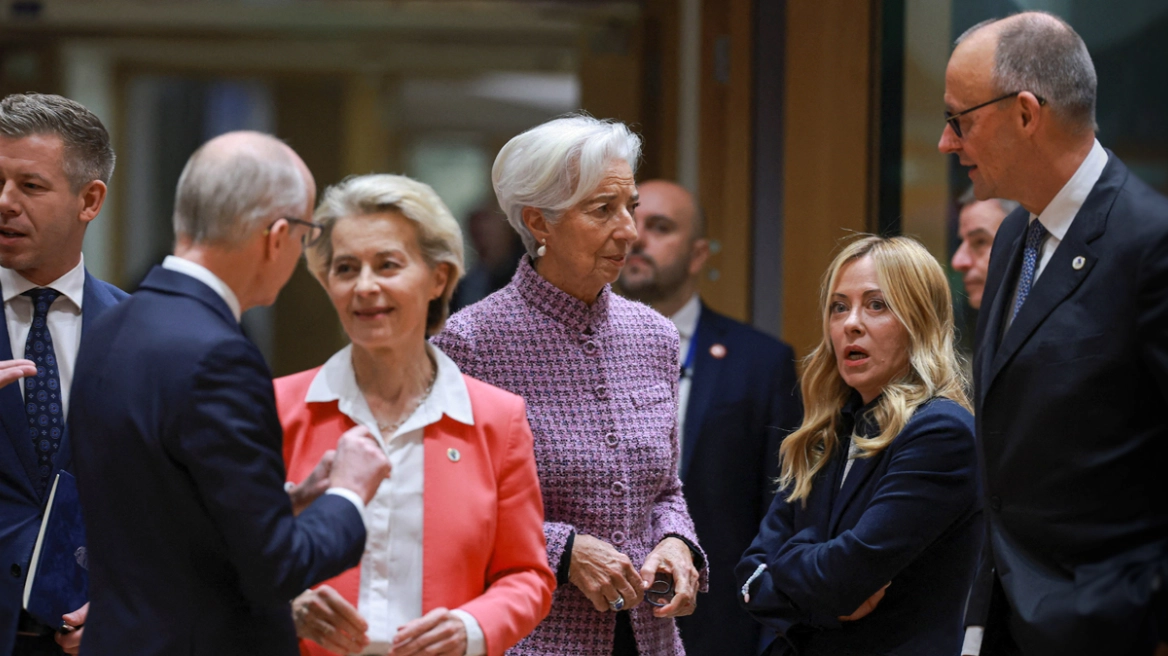
The extraordinary summit in Brussels on the long-term budget for 2028-2034 ended without agreement, pushing the decision to December, as political and financial tensions escalated with veto threats and boycott calls.
After more than 12 hours of discussions, leaders from the 27 EU member states failed to reach a compromise on the upcoming budget, setting a new date, December, for the final decision. The main conflict revolves around financial cuts, funds for agriculture and cohesion, as well as the clash between countries demanding restrictions and those opposing reductions.
Boycotts and tensions in negotiations
Negotiations were marked by deep divisions among member states. Seven countries — Germany, the Netherlands, Austria, Denmark, Sweden, Finland, and Belgium — boycotted some meetings, considering the chosen format an attempt to weaken the united stance of countries demanding spending limits.
The absence of Denmark’s prime minister Mette Frederiksen from a meeting with leaders of Greece, Hungary, Croatia, and Luxembourg further highlighted the rift among member states.
Macron, Merz and veto threats
One of the key points of contention was the timeline for reaching an agreement. French President Emmanuel Macron warned that if the budget included further cuts or maintained special reductions in national contributions, France would use its veto. He called for negotiations to be concluded by the end of 2026.
On the other side, German Chancellor Friedrich Merz maintained his position on reducing spending, emphasizing the differences among EU economies. Greek Prime Minister Kyriakos Mitsotakis warned that failure in December would make negotiations even harder in 2027.
Meloni and Italy’s national interests
Italian Prime Minister Giorgia Meloni kept her cards close, declaring that Italy would not accept a budget that increased its financial contribution while restricting funds it benefits from. Her stance shows that divisions are not only between countries demanding more finance and those seeking cuts, but also among states supporting cohesion.
Farmers’ protests and agricultural policy pressure
Meanwhile, farmers protested on the streets of Brussels, opposing the possibility that agriculture would face the consequences of the EU’s new priorities. Their main demands include maintaining a separate and sufficient budget for the Common Agricultural Policy, protecting direct payments, and guaranteeing farmers’ incomes.
In brief
The negotiations over the 2028-2034 EU budget are a test of political and financial divisions among member states. Threats of veto, boycotts, and the lack of compromises indicate that the EU needs another meeting in December to reach a unanimous decision. Further tensions could impact the future model of the European Union, where a common decision on investments and contributions is required.
Notable figures mentioned
- Antonio Costa - President of the European Council
- Mette Frederiksen - Prime Minister of Denmark
- Emmanuel Macron - President of France
- Friedrich Merz - Chancellor of Germany
- Kyriakos Mitsotakis - Prime Minister of Greece
- Giorgia Meloni - Prime Minister of Italy
Source of the news: abcnews.al
Note: This material has been processed for informational purposes by the Kosova.Today portal.





 Advertisement
