
US demands EU raise drug prices as Brussels fears bilateral deals
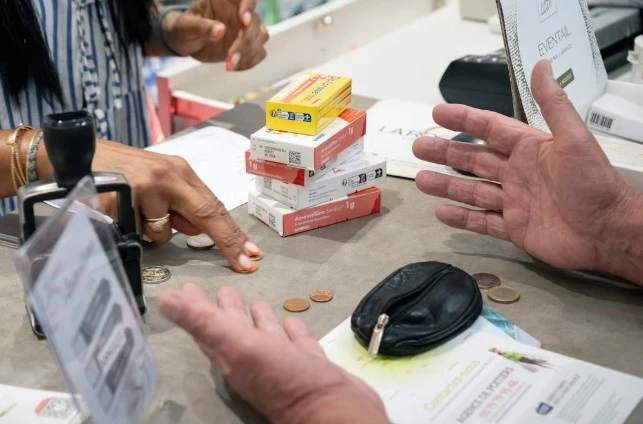
The administration of US President Donald Trump is escalating pressure on European nations to increase prices for new pharmaceutical drugs, claiming that Americans face an disproportionate cost barrier tied to innovation in the healthcare sector.
This demand has raised significant concerns within the European Union (EU), where Members of the European Parliament are calling for a coordinated and strong response to Washington’s requests. The European Commission, so far, has yet to adopt a clear and binding stance, as the situation is complicated by various ambiguities.
Executive Vice-President of the European Commission, Henna Virkkunen, stated that there is still no full assessment of the impact of US pressure. According to her, the European pharmaceutical industry is well-protected through the transatlantic trade agreement, which sets a 15% tariff cap on most EU exports to the US market, including branded drugs.
Meanwhile, Germany is at the center of an investigation launched by the US in June, with allegations that Berlin paid less than it should for innovative drugs. The US administration is negotiating with German authorities to reach an agreement on raising prices, a model that has already been applied to the United Kingdom.
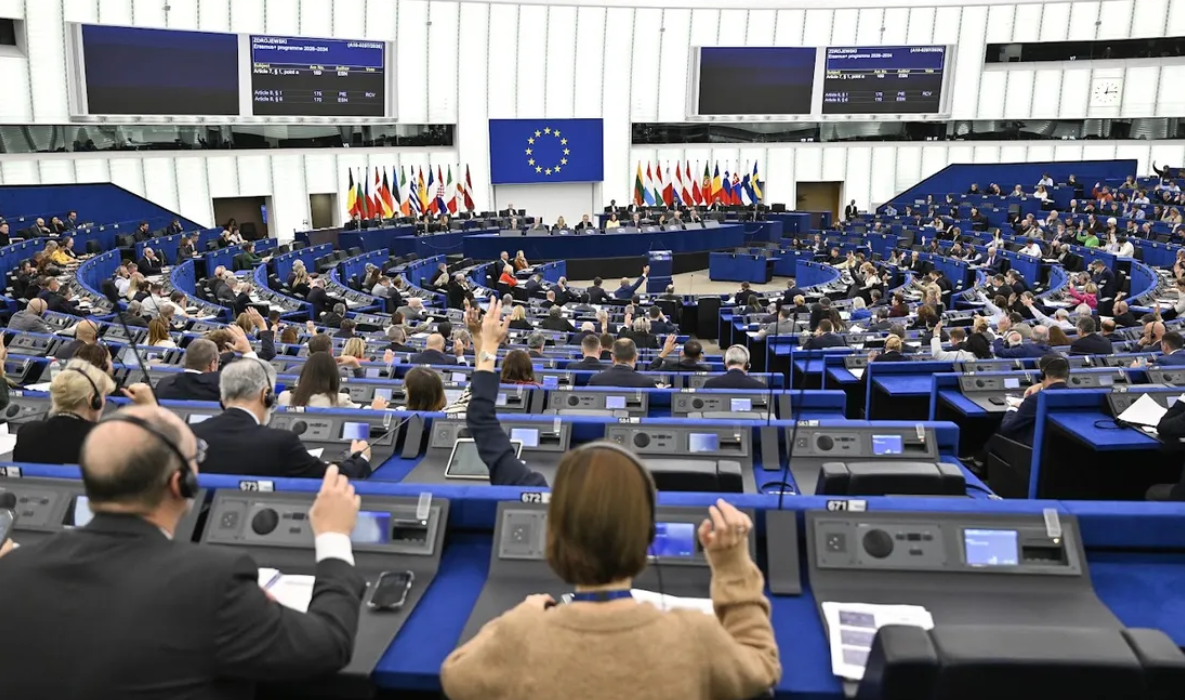
In recent discussions held in the European Parliament in Strasbourg, MEPs expressed concern that bilateral agreements individual EU member states could strike with the US may weaken the bloc’s negotiating power on the global stage. This could allow the US to negotiate different prices for each member state, undermining a unified European policy.
This situation threatens to disrupt the European pharmaceutical market, where drug prices could fluctuate unpredictably, harming consumers and other industries. MEPs are urging the EU to adopt a clear and firm position to protect the shared interests of its members.
In brief
The US is demanding higher prices for pharmaceutical drugs in Europe, arguing for equal treatment for innovation. The EU faces uncertainty as bilateral deals could weaken its negotiating strength. Germany is under US scrutiny over alleged low drug prices, while MEPs warn of the consequences of these agreements.
People mentioned
- Donald Trump - President of the United States
- Henna Virkkunen - Executive Vice-President of the European Commission
Source of the news: abcnews.al
Note: This content has been processed for informational purposes by Portali Kosova.Today.





 Advertisement
