
Serbian List in Kosovo: Shifting course as Belgrade support wanes?
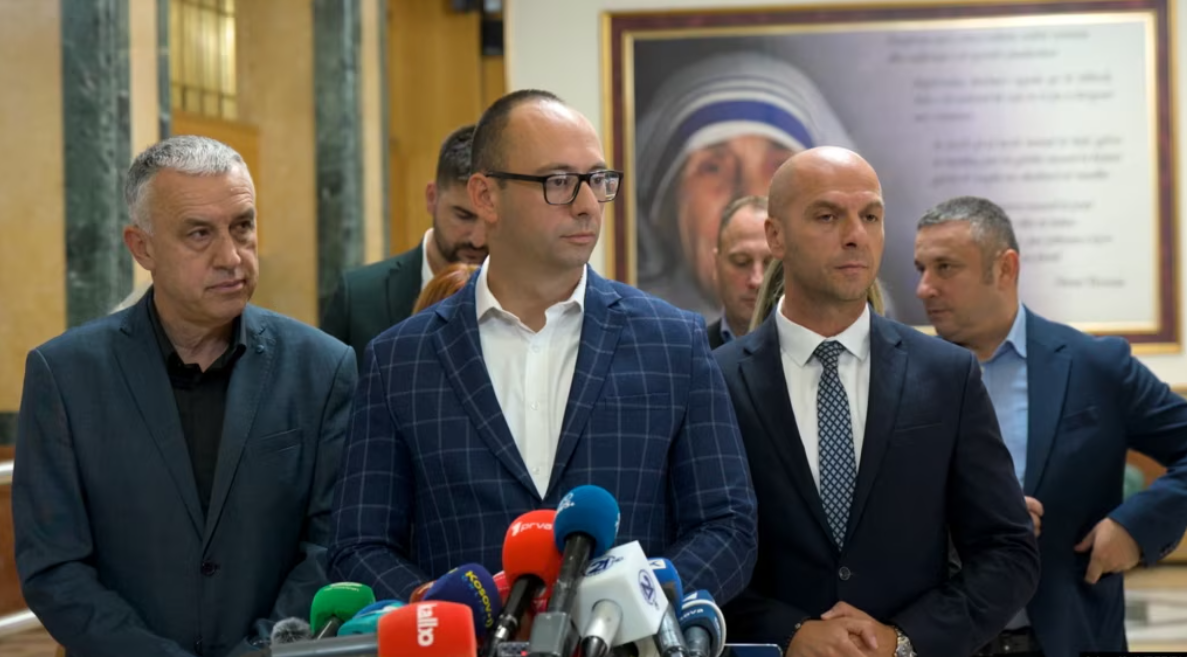
The Serbian List in Kosovo’s Assembly is shifting its strategy, distancing itself from the strong support of Belgrade, a model that was prominent during the years of the Serbian Progressive Party (SNS) leadership in Serbia.
By the end of 2023, deputies from this list were becoming more active in sessions and debates, gaining more attention for the issues of the Serbian community. This change occurs in a new political context in Serbia, where the Student List won the elections and lost the strong support of SNS, which had been an ally of the Serbian List in Kosovo.
Moving towards independence?
Rada Trajković, a former Kosovo Assembly deputy, assesses that the Serbian List is changing and positioning itself as a communication channel between Pristina and Belgrade. Belgjim Kamberi from the Musine Kokalari Institute for Social Policy in Pristina emphasizes that the party is attempting to redefine its strategy following the decline of support from Aleksandar Vučić, the former president of Serbia.
“In circumstances where Belgrade’s support is no longer guaranteed, the Serbian List may view institutional representation in Kosovo as its primary source for preserving political power”, Kamberi tells Radio Free Europe.
The Role of the Serbian List in Kosovo
The Serbian List, with nine deputies in Kosovo’s Assembly, also leads in ten municipalities with a Serbian majority. The mayor of Northern Mitrovica, Millan Radojević, considers it a “state-forming party and a crucial factor” in the political life of Serbs in Kosovo.
Additionally, the Serbian List has been active in the Assembly on issues affecting the Serbian community, presenting bills and criticizing Kosovo’s government, such as the lack of investment in Serbian areas.
Distancing from Milan Radojević
Rada Trajković highlights that the Serbian List needs to distance itself from Milan Radojević, whom she claims has caused significant harm to the Serbian community. Radojević, who led the armed assault on Banjska in 2023, lost SNS’s support after his defeat in Serbia’s elections.
The Kosovo government, led by Self-Determination Movement, refuses cooperation with the Serbian List, viewing it as an extension of Belgrade at Kosovo’s expense. Relations deteriorated following the Banjska attack, with even Albanian parties refusing communication with Serbian List representatives.
Student List and Serbian List: No Direct Cooperation
A deputy from the Serbian Assembly representing the Student List, Jugoslav Gašić, stated there will be no direct cooperation with the Serbian List. He accused the Serbian List of a negative stance towards the Serbian community and said communication will proceed through international channels.
Belgjim Kamberi evaluates that the Serbian List was “an instrument for implementing Vučić’s policy towards Kosovo” and that its future will depend on the new power’s policy in Belgrade. He stresses that the challenge remains for both governments, Kosovo and Serbia, to integrate Kosovo Serbs in a way that is not contingent on the political fate of the Serbian List.
In brief
The Serbian List is altering its strategy amid the decline of Belgrade’s support and the loss of SNS in Serbia. The party is becoming more active in Kosovo’s Assembly but is distancing itself from controversial figures like Milan Radojević. Kosovo’s government and the Student List refuse cooperation with the Serbian List, viewing it as an ally of Belgrade. The Serbian List’s response will depend on Serbia’s new policy towards Kosovo.
Notable Figures
Source of the news: infoshqip.com
Note: This material has been processed for informational purposes by Portali Kosova.Today.





 Advertisement
