EU warns citizens: Prepare to survive 72 hours without authorities’ help – what your emergency kit should include

The European Commission has called on citizens of member states to prepare to meet their basic needs for at least 72 hours in case of an emergency.
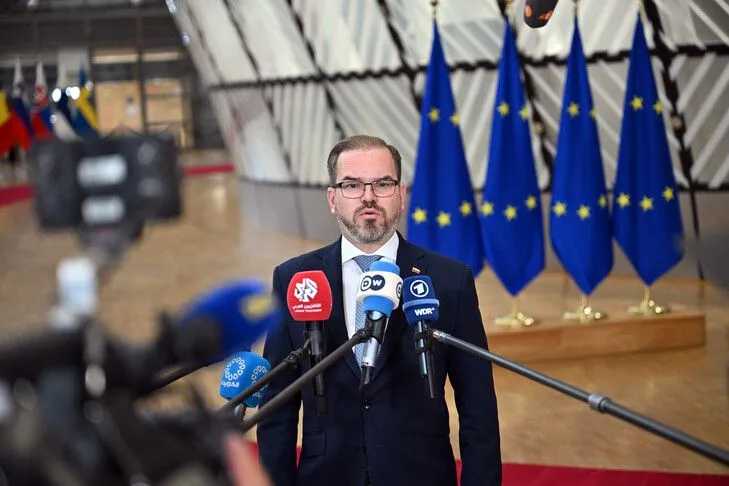
The new guidelines, introduced on November 3, 2026 by Commissioner for Equality, Resilience and Crisis Management, Haja Lahbib, aim to raise public readiness for potential crises.
According to the European Commission, emergencies can cause simultaneous disruptions to vital services, including electricity, water supply, communications, and supply chains. In the early hours of a crisis, authorities may need time to organize rescue operations and reach affected areas.
For this reason, citizens are advised to prepare an emergency kit with essential supplies to manage the first three days without immediate public assistance.
What should an emergency kit contain?
According to EU recommendations, every household should secure basic products and equipment, including:
- Water and food: Around 2 litres of water per person per day, along with long-lasting food that doesn’t require cooking, such as canned goods, dried fruit, nuts, and energy bars.
- Medicines and first aid: A first-aid kit, personal prescriptions, and over-the-counter medications, along with hygiene products.
- Lighting and communication: Portable power banks, spare batteries, a handheld radio, and external phone batteries.
- Documents and cash: Copies of identification, passports, and insurance contracts, stored in waterproof containers, as well as some emergency cash.
- Heating and cooling: Equipment or alternative methods to cope with extreme temperatures in case of power outages.
Beyond material reserves, citizens are encouraged to develop practical skills, such as first aid and emergency situation management.
Why 72 hours?
The 72-hour period has been set by the European Commission as a minimum standard for self-preparation during the initial phase of a crisis.
This does not mean every emergency will last just three days, nor that authorities will delay intervention for that duration. The goal is for citizens to address their most urgent needs while emergency services focus on those requiring immediate help.
Experts warn that power outages and water supply disruptions can last several days, particularly after earthquakes, fires, or other natural disasters. For this reason, advance preparation and securing basic reserves are considered essential for handling unforeseen situations.
Source of the news: ina-online.net
Note: This material has been processed for informational purposes by Kosova.Today.