
Germany approves 2027 budget of €556 billion: record spending on defence and infrastructure
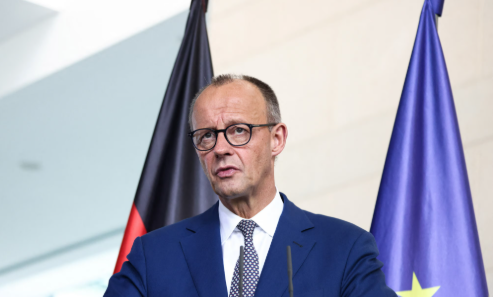
Germany approves 2027 budget of €556 billion: record spending on defence and infrastructure
The German Bundestag has adopted the federal budget for 2027, with state spending set to reach €556 billion, an increase of €31.4 billion compared to 2026. This financial plan, which includes a historic level of borrowing, was one of the key topics of parliamentary debates.
The budget was approved with 317 votes in favour and 260 against, backed primarily by the coalition of CDU/CSU and SPD. The new budget is framed as an investment in defence, infrastructure, and climate neutrality, though it places significant pressure on the national debt.
Historic increase in defence and infrastructure spending
One of the key priorities of the 2027 budget is defence, with military spending set to reach €109.7 billion, a substantial rise from €82.7 billion in 2026. Additionally, the full €100 billion special fund for the Bundeswehr, created in 2022 by the government of former Chancellor Olaf Scholz, will be utilised, providing €29.6 billion for 2027.
Beyond defence, infrastructure and climate neutrality will receive €57.8 billion, while Ukraine will be supported with €11.6 billion. Projections indicate that defence spending could reach up to €183.7 billion by 2030.
National debt at second-highest historic level
To finance these expenditures, Berlin aims to borrow €210.4 billion, a figure that will be the second-highest level of borrowing in German history, following the €215.4 billion recorded in 2021 during the COVID-19 pandemic.
Revenue from taxes is expected to amount to €391.3 billion, a figure lower than initial projections, while €41.9 billion will be allocated solely to debt interest payments, an increase of €11.6 billion compared to 2026.
Budget deficit and future challenges
The overall budget deficit for 2027 is estimated at 5.25% of GDP, a figure that, even after excluding the EU allowance for military spending, remains at 4%. This level exceeds the 3% threshold set by EU regulations, exposing Germany to potential EU procedures for excessive deficits.
According to the Ministry of Finance, public debt could surpass 72% of GDP by 2028, highlighting the challenges of maintaining financial sustainability.
Ministry of Labour and Social Affairs: top priority
Despite increased spending on defence, the Ministry of Labour and Social Affairs will receive the largest share of funding, amounting to €203.3 billion, which constitutes 36.6% of the federal base budget. This funding primarily supports the pension system, although the additional subsidy is expected to decrease by €3 billion.
In brief
The German budget for 2027 represents an ambitious financial plan, with increased spending on defence and infrastructure, but under significant pressure on national debt. With €210.4 billion in borrowing, Germany will exceed the EU-allowed deficit threshold, highlighting future challenges for financial sustainability.
Notable figures mentioned
- Olaf Scholz - Former German Chancellor
Source of the news: abcnews.al
Note: This material has been processed for informational purposes by Portali Kosova.Today.






 Advertisement
