
Overusing Your Air Conditioner for Heat? Mistakes That Could Be Inflating Your Electric Bill
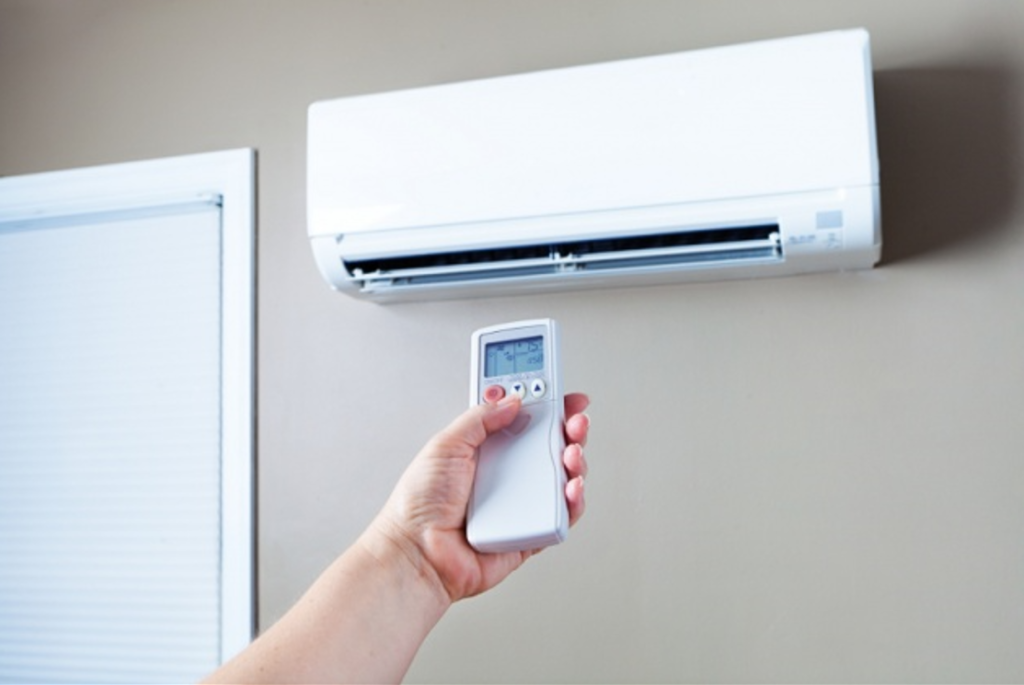
With the arrival of cold weather, air conditioners have become one of the key solutions for heating homes and offices. However, incorrect usage not only increases the electricity bill but can also damage the appliance and negatively affect respiratory health.
Energy experts and service technicians outline the key rules for safely and economically using an air conditioner during winter.
1. Ideal Temperature: Why 20-22°C is the Golden Rule?
One of the most common mistakes is setting the thermostat to very high temperatures, such as 28 or 30°C, under the assumption that this will heat the room faster. In reality, the air conditioner releases air at the same temperature; setting it to maximum simply forces the compressor to work continuously at full capacity.
Energy science and health organizations confirm that 20-22°C is the ideal balance for several key reasons:
Electricity consumption: Every degree above 22°C increases electricity consumption by about 6% to 8%.
Health protection: Temperatures above 24°C dry out indoor air, causing irritation to the respiratory tract, eye irritation, and headaches.
Avoiding thermal shock: An environment of 20-22°C prevents abrupt and jarring temperature changes for the body when stepping outside into the cold.
Recommended settings by room type:
During the day (Living room / Hallway): 20-22°C.
At night (Bedroom): 17-19°C (cooler air helps for a more restful sleep)
2. Air Vane Direction (Flaps)
Physics plays a significant role in heat distribution. Since warm air is lighter than cold air, it naturally rises toward the ceiling.
Experts advise: During winter, the air conditioner flaps should be directed downward (toward the floor). This allows warm air to gradually rise from bottom to top, heating the entire room uniformly and with less energy expenditure.
3. Understanding the “Defrost” Process (Shkrirja)
On days with frost or high humidity, you may notice that the air conditioner stops releasing warm air for a few minutes. This does not mean the device is broken.
What happens? The outdoor unit may become covered with a layer of frost. The appliance automatically enters defrost mode to melt the frost in the outdoor unit.
Key advice: Do not turn off the air conditioner when you notice this process (often accompanied by a snow/water indicator or a draining noise). Let the cycle complete automatically for 5 to 10 minutes, and it will return to normal operation.
4. Cleaning Filters and Air Maintenance
Clogged filters obstruct free airflow, forcing the compressor to work twice as hard.
Filter cleaning: Clean the indoor unit’s filters with plain water every 2 to 3 weeks.
Humidity care: Continuous heating can dry out the air. Using a humidifier or placing a bowl of water near the heat source helps maintain optimal humidity levels of 40%–60%.
Regular ventilation: Even in cold weather, opening windows for 5–10 minutes daily is essential to refresh oxygen levels in living spaces.
If you use a modern inverter air conditioner, studies show it is far more economical to keep the device running continuously at a stable 20-22°C rather than turning it on and off multiple times a day. Each restart requires a significant amount of energy to reheat the cooled walls.
Source of the article: orainfo.net
Note: This material has been adapted for informational purposes by the portal Kosovo.Today.