
Swiss Healthcare Disparity: Patients Face Unequal Access to Life-Saving Treatments
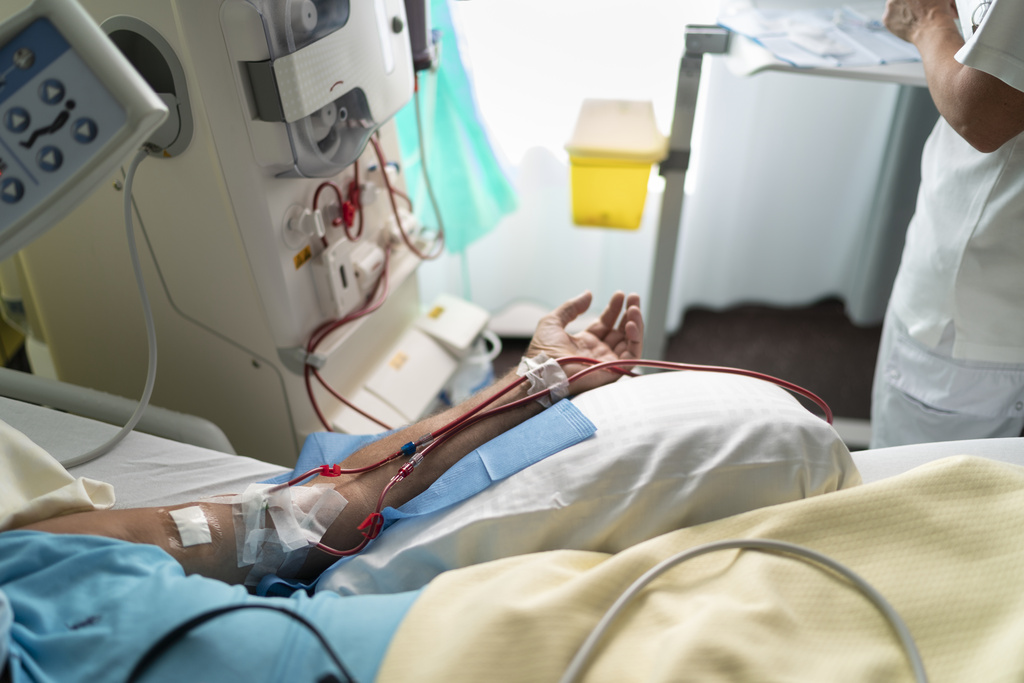
Patients in Switzerland are facing unequal access to new medical treatments, including life-saving drugs. An investigation published by Swissinfo and RTS has revealed major differences in the approval of financial coverage by health insurance companies.
According to a report released on November 17, 2026, some insurance companies approve almost all non-automatic treatment requests, while others reject more than half. This has created a two-tier system, where patients with serious illnesses like cancer encounter an unfair process.
The investigation is based on data obtained from federal authorities in 2020, which RTS secured after a legal battle with the Federal Office of Public Health.
In Switzerland, basic health insurance covers drugs listed on the official government-approved list. However, in exceptional cases, doctors may request coverage for non-automatic therapies. These requests are reviewed by insurance companies under Article 71 of the Health Insurance Ordinance. Treatment must offer significant benefit for a serious illness where no covered alternative exists.
Data shows that criteria are not consistently applied. In 2025, around 80,000 requests for non-automatic drugs were made, reflecting growing demand for personalized treatments, particularly in cancer care.
An example of such a request is the drug daratumumab, developed by the American company Revolution Medicines, which was approved in the US on August 26, 2026. This drug doubled the median survival time for patients with metastatic pancreatic cancer. However, in Switzerland, patients face a longer process to access this treatment, including approval by Swissmedic and negotiations over cost and financial coverage.
In the US, the cost of this treatment reaches around $40,000 per month, or approximately 33,500 Swiss francs.
Experts, including Solange Peters, Head of Oncology at the University Hospital of Lausanne and President of Oncosuisse, warn that disparities persist despite reforms in 2024. Industry data shows that the approach to new drugs has declined from 64% to 50%, while individual reimbursement use has risen from 15% to 27%.
Experts warn that delays in bringing new drugs to market could worsen the situation, forcing patients to rely on individual decisions by insurance companies.
Swiss authorities are expected to publish a new assessment of the use and reimbursement of these treatments during 2027. The issue has sparked a significant debate over equality in Switzerland’s healthcare system and the need for patients with serious illnesses to have comparable access to the latest medical advancements.
In brief
Inequality in access to new treatments in Switzerland is a serious problem, with patients with serious illnesses like cancer facing major disparities in financial coverage approval by insurance companies. Experts call for reforms to ensure a fairer and faster system.
People mentioned
- Solange Peters - Solange Peters
- Revolution Medicines
- Swissmedic
- Oncosuisse
Source of the news: albinfo.ch
Note: This material has been prepared for informational purposes by Kosova.Today Portal.