Swiss consumers spending more, consumption up 1.6% in October
Consumers in Switzerland have started spending more, despite high energy and fuel prices and economic uncertainty.
According to the latest indicator from PostFinance bank, Swiss household spending recorded an increase of 1.6% during October compared with the same period last year, swissinfo.ch writes, albinfo.ch reports.
Data published by PostFinance shows a marked improvement in private consumption in Switzerland, after several months of slower spending growth.
In October 2026, consumer spending rose by 1.6% compared with October 2025. This represents a considerable acceleration compared with September, when growth was 0.9%, and August, when growth of 0.8% was recorded.
PostFinance's consumption indicator is based on anonymised card transaction data from around 2.4 million of the bank's customers, offering an insight into spending developments in the Swiss economy.
However, the rise in consumption is occurring at a time when consumer confidence continues to remain at its lowest levels in recent years. According to the bank, high energy and fuel prices continue to weigh on household budgets and negatively affect the overall economic climate.
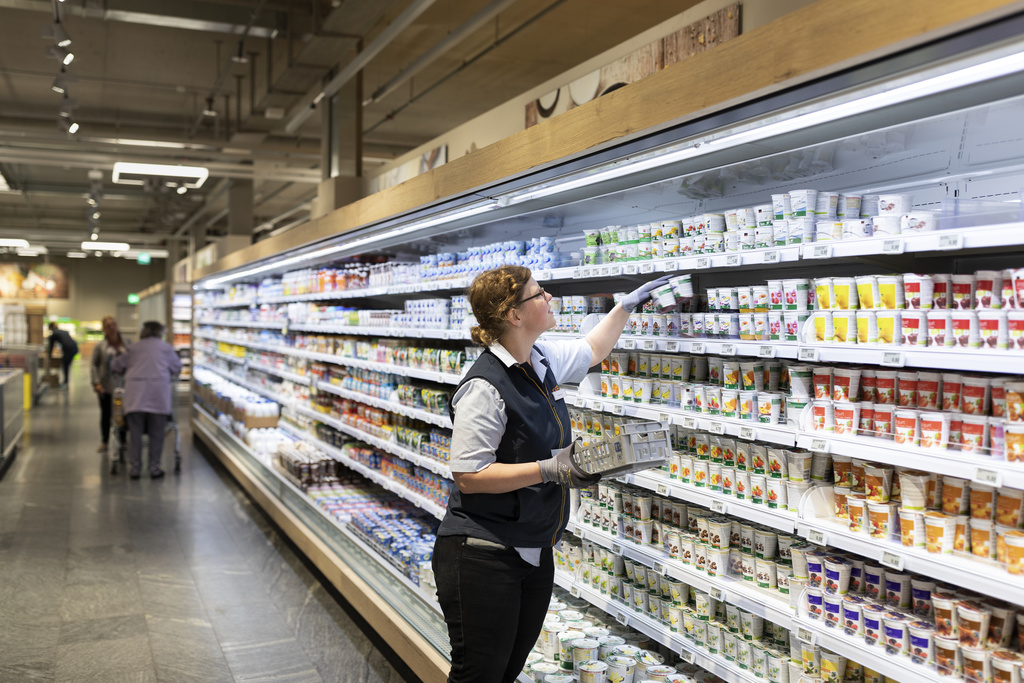
During October, a slight increase was observed in households' everyday spending. Particularly noticeable was the rise in purchases at large stores, while spending on pet products and equipment also recorded a considerable increase.
A positive development was also recorded in the leisure activities sector. After a decline during September, consumers have again started spending more on sports activities, sports equipment, hobbies and other forms of entertainment.
Meanwhile, the beauty and wellness sector has remained relatively stable. According to PostFinance, overall spending in this sector has changed very little since July.
The growth in purchases of cosmetic products and beauty services has been partly offset by lower spending on clothing, meaning the overall level of consumption in this category has remained almost unchanged. On the other hand, the tourism sector has shown the opposite trend. Spending on travel has continued to fall after the peak reached during July, when tourism activity was at its highest.
In October, the decline was particularly noticeable in hotel bookings, which recorded a considerable drop. Fewer expenses were also recorded for vehicle rentals.
These developments show that Swiss consumers are adapting their spending priorities, directing a larger share of their budget towards everyday purchases and leisure activities, while spending on travel is decreasing.
The rise in consumption during October can be seen as a positive signal for the Swiss economy, especially on the eve of the year-end shopping season. However, the low level of consumer confidence and high living costs remain significant challenges for households.
PostFinance data suggests that, despite economic concerns, Swiss citizens continue to spend, but with noticeable differences between different consumption sectors.
The European Central Bank (ECB) has warned about the growing risks facing the European economy, noting that rising energy costs and uncertainty over public finances could curb economic growth and accelerate inflation.
In its latest economic bulletin, the Frankfurt-based institution stresses that the prolongation and intensification of the energy crisis, as well as its knock-on effects on the economy, are expected to push prices up further and weaken economic growth. The ECB has also called on governments to be careful in managing public finances.
The ECB warns that the sudden rise in energy costs could keep overall inflation well above the institution's target during the coming quarters as well. However, a positive element remains the relative stability of core inflation and the absence of signs of a strong wage response to rising prices.
The institution notes that short-term inflation expectations have risen, while long-term expectations remain largely close to the 2% target.
Another important concern relates to the public finances of eurozone countries. According to the ECB, uncertainty over budget policies could further tighten financing conditions, weaken consumer and business confidence, and curb consumption and investment.
The bank has called on governments to undertake structural reforms and maintain sustainable public finances, stressing that measures to tackle the energy crisis should be temporary, targeted and tailored to needs.
Despite the uncertainties, the ECB assesses that the eurozone economy continues to grow, albeit at moderate rates. The institution stresses that it will continue to follow a cautious approach in monetary policy, without committing to a pre-set path for interest rates.
The post Swiss consumers spending more, consumption up 1.6% in October appeared first on Albinfo.
News source: albinfo.ch
Note: This material has been processed for informational purposes by the Kosova.Today Portal.