
Antarctica at risk: Ice shelf cracks expanding rapidly over 25 years
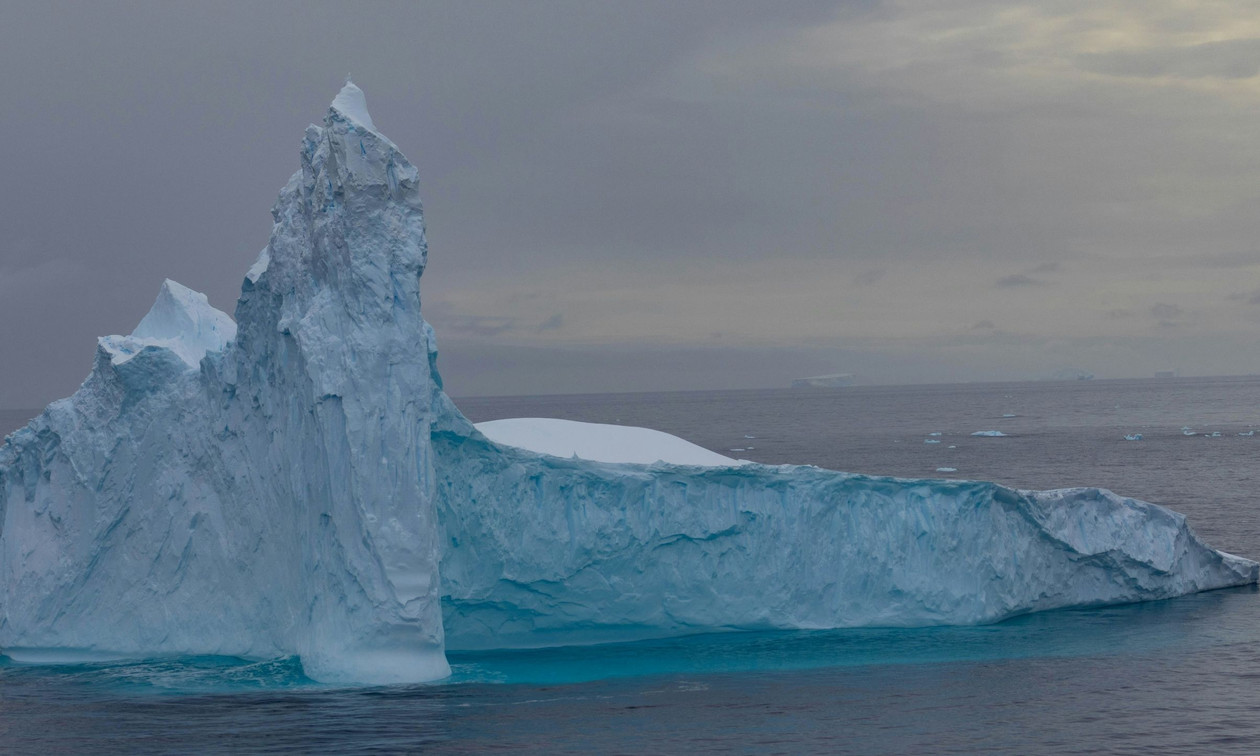
Antarctica at risk: Ice shelf cracks expanding rapidly over 25 years
A scientific study published in the journal Earth System Science Data has uncovered a worrying increase in cracks across nine major ice shelves in Antarctica between 1999 and 2024. The research, based on satellite imagery and artificial intelligence technology, has created 170 high-resolution maps to monitor changes on the ice surface.
The most noticeable changes have been recorded on the Pine Island, Thwaites and Scar Inlet shelves, where cracks have expanded and surface damage has intensified. Particularly concerning is the case of the Thwaites Glacier, known as the 'Doomsday Glacier', where damage continues to advance rapidly.
The study also highlighted the growth of Chasm 1 crack on the Brunt shelf, which began expanding in 2012 and led to the relocation of the British Halley Research Station and later the calving of iceberg A-81, with an area of around 1,550 square kilometres, in January 2023.
Ice shelves and sea level rise
Scientists emphasize that ice shelves play a crucial role in slowing the movement of glaciers toward the ocean. Their weakening and collapse can accelerate ice flow and contribute to global sea level rise.
According to the study’s data, Antarctica has lost approximately 2,671 gigatonnes of ice between 1992 and 2020, contributing around 7.4 millimetres to sea level rise.
Satellite monitoring: Key to understanding climate change
The researchers underline that long-term satellite monitoring is essential to distinguish natural processes from the impacts of climate change. This will help in understanding the risks posed by ice shelf cracks to ecosystems and coastal populations.
‘Ice shelves are a key element in Antarctica’s stability,’ states one of the study’s authors, stressing that ‘the expansion of cracks will have significant consequences for sea levels and other ecosystems.’
In brief
The new study reveals that cracks in Antarctica’s ice shelves are expanding at an unprecedented rate, posing risks of rising sea levels and ecosystem destabilization. Continuous satellite monitoring is crucial to better understand these changes and develop strategies to mitigate the impacts of climate change.
Notable mentions
Source: abcnews.al
Note: This content has been adapted for informational purposes by Portali Kosova.Today.







 Advertisement
