EU commissioner expresses regret over song that sparked backlash: Selection made by musicians

A concert aimed at promoting European cultural unity sparked political reactions after a Serbian song melody depicting Kosovo as part of Serbia was performed.
The controversy prompted the EU commissioner for Enlargement, Marta Kos, to express regret over the selection.
The incident occurred on 15 November in Brussels, during the opening evening of the EU Enlargement Forum, organised by the European Commission.
At the concert titled “Melodies of Unity: Harmony from Europe’s Crossroads”, alongside musical pieces from countries involved in the enlargement process, the melody of the Serbian song “Oj Kosovo, Kosovo” was performed.
The song’s lyrics contain territorial claims against Kosovo and reject its independence.
During the concert, however, the lyrics were not sung. Only the melody was played, while the title appeared on screen, according to witnesses.
The inclusion of the song in a European Commission event sparked reactions from Kosovo officials and the rapporteur for Kosovo in the European Parliament, who demanded explanations for the selection process.
In a statement to reporters on 16 November, just before the forum began, Kos expressed regret over the musicians’ choice of song, emphasising that it in no way reflects the views of the European Commission.
She said she was aware of the suffering and sacrifices of people in this part of Europe during the past and stressed the importance of reconciliation, without overlooking differences and historical experiences.
“We are not asking for differences to be forgotten, but we are building a Europe where differences will not be a reason to hinder the future,” Kos said.
What is known about the song?
The song “Sa Kosova zora sviće” – in Albanian “Nga Kosova zbardh agimi” – also known as “Oj Kosovo, Kosovo”, was written in 1989 by Serbian singer and composer Lubomir Manasijević.
According to the author’s account in the Serbian newspaper Večernje novosti, the song was inspired by his experiences during the 600th anniversary of the Battle of Kosovo, held at the Gračanica Monastery in June 1989.
The lyrics blend references to medieval history and Serbian religious heritage with claims to Kosovo’s territorial belonging.
One line states: “Ne damo te Kosovo” – “We will not give you, Kosovo”, while another depicts Kosovo as land that has always belonged to the Serbs and was inherited from their ancestors.
Described as patriotic in Serbian media, the song carries nationalist messages opposing Kosovo’s independence.
It was created during the rise of Serbian nationalism under Slobodan Milošević’s leadership.
In 1989, Serbian authorities drastically reduced Kosovo’s autonomy, escalating political and institutional repression against Albanians.
A decade later, Kosovo was drawn into the 1998–1999 war.
Kosovo declared independence in 2008, but Serbia continues to reject its recognition.
Reactions from Kosovo and the European Parliament
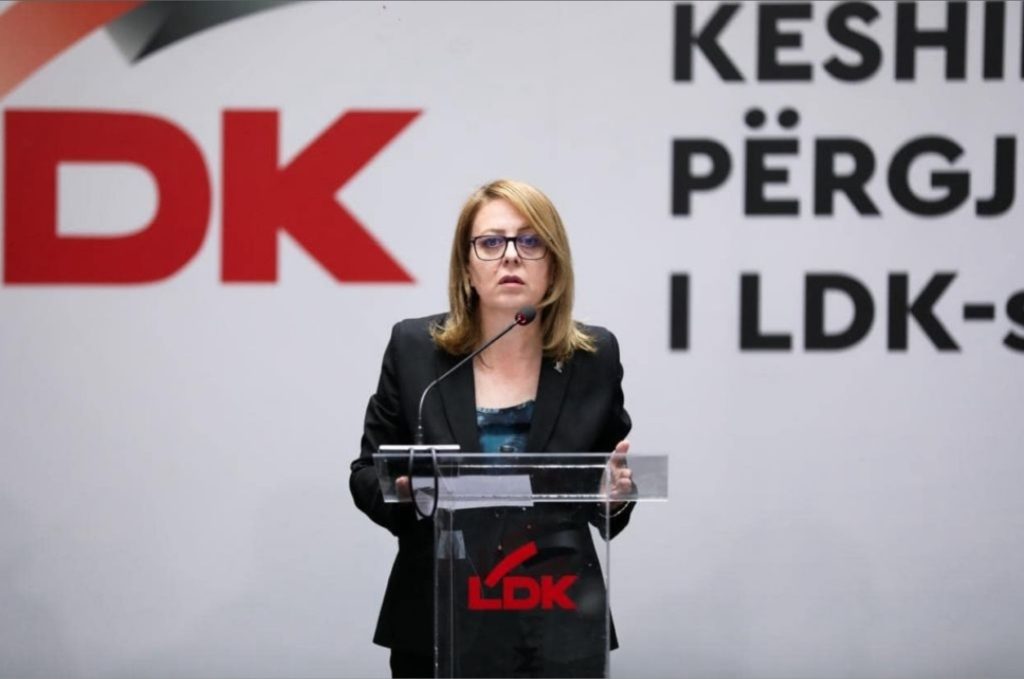
Kosovo’s chief negotiator with the European Union, Jeton Zulfaj, criticised the performance of the melody, linking its content to the period when Milošević’s regime was restricting the rights of Kosovo’s Albanians.
He demanded explanations from the European Commission regarding both the song’s selection and the absence of an invitation to Kosovo’s institutional representatives at the forum.
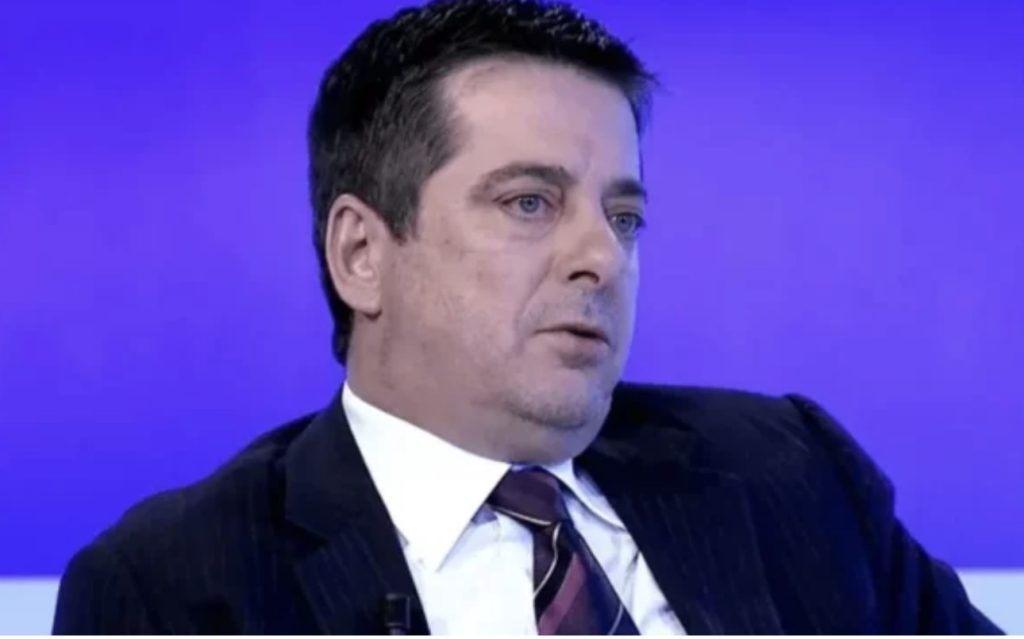
Kosovo’s ambassador to Brussels, Agron Bajrami, also called the inclusion of the song in a European enlargement event unacceptable.
He said the song contains political claims over Kosovo’s territory and that its performance cannot be treated merely as a cultural exchange.
Bajrami called on the European Commission and Enlargement Commissioner Marta Kos to clarify who selected and approved the musical repertoire.
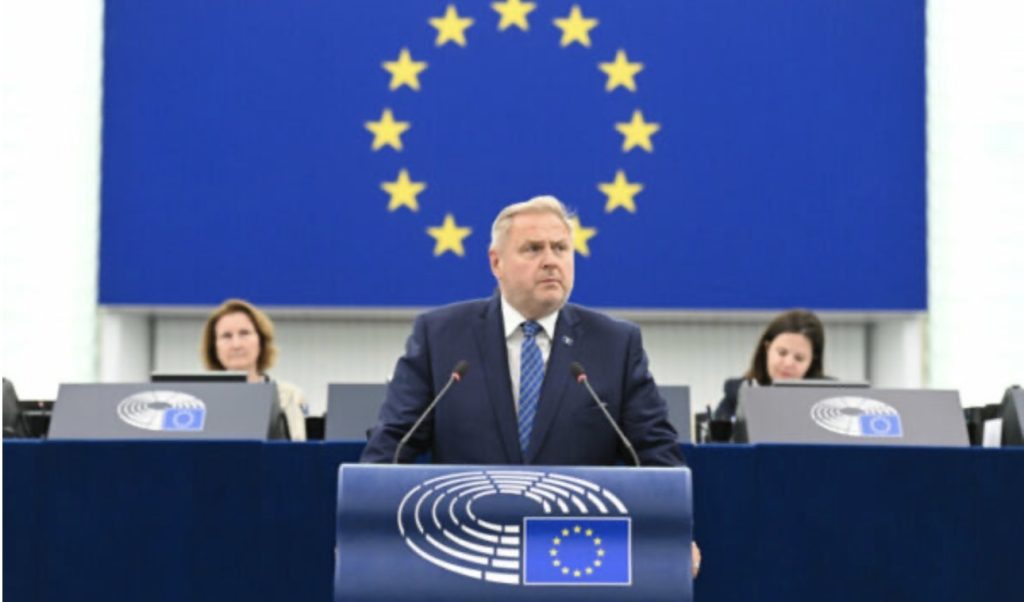
Criticism was also voiced by Kosovo rapporteur in the European Parliament, Riho Terras, who said the incident was either a deliberate provocation or the result of the organisers’ ignorance.
According to Terras, performing a song containing claims over Kosovo’s sovereignty at a European enlargement event was inappropriate and required an explanation from the European Commission.
Source: ina-online.net
Note: This material has been processed for informational purposes by the Kosovo.Today portal.